
“You don’t have to keep talking like that. There are no white people around.” Laughter erupted in the cramped copy room as the cluster of African-American colleagues congratulated the accounting clerk on what she said to me. I was a shy 23-year-old, a newly hired employee at the Los Angeles investment banking firm. Saying no more, I backed out of the space.
Emboldened by his discovery of being a more learned student of hip-hop culture, a white male acquaintance once exclaimed to me, “Wow, Erick! I’m pretty sure I’m blacker than you are.” His declaration drew attention to those around us, as we lounged in the home of a mutual friend.
Expectations surrounding how one is perceived can determine the value of their social currency…
Being Black is much more than how one looks. At least it is for Black Americans. Assumptions are often made about how we’ll sound or behave. Examples include whether our conversations will be influenced by what’s currently popular within Black culture. Or that we’ll speak African American Vernacular English (AAVE), “the variety of English natively spoken, particularly in urban communities, by most working- and middle-class African Americans and Black Canadians (A Handbook of Varieties of English, 2004).”
So, what is the plight of those us who don’t meet all of these qualifications? Who are we in the eyes of our peers? When parts of who we are are not within the boundaries of one’s definition of what it means to be “authentically Black”. How do we navigate the criticisms focused not on who we are, but on who we’re expected to be?
Expectations surrounding how one is perceived can determine the value of their social currency, economic potential, and emotional and physical well-being. “Socioeconomic status can encompass quality of life attributes as well as the opportunities and privileges afforded to people within society (American Psychological Association, 2017).” This is true for African Americans, who often work against societal perceptions that minimize our social standing and cultural influence.
Conversations about who’s “really Black” can also determine one’s standing within their cultural circle, influencing whether they’re marked as an outsider. Not quite knowing what to do when faced with the hostility we may feel when interacting with those who share our cultural heritage.
…it took more than historical knowledge to be an acceptable representative of my ethnic community.
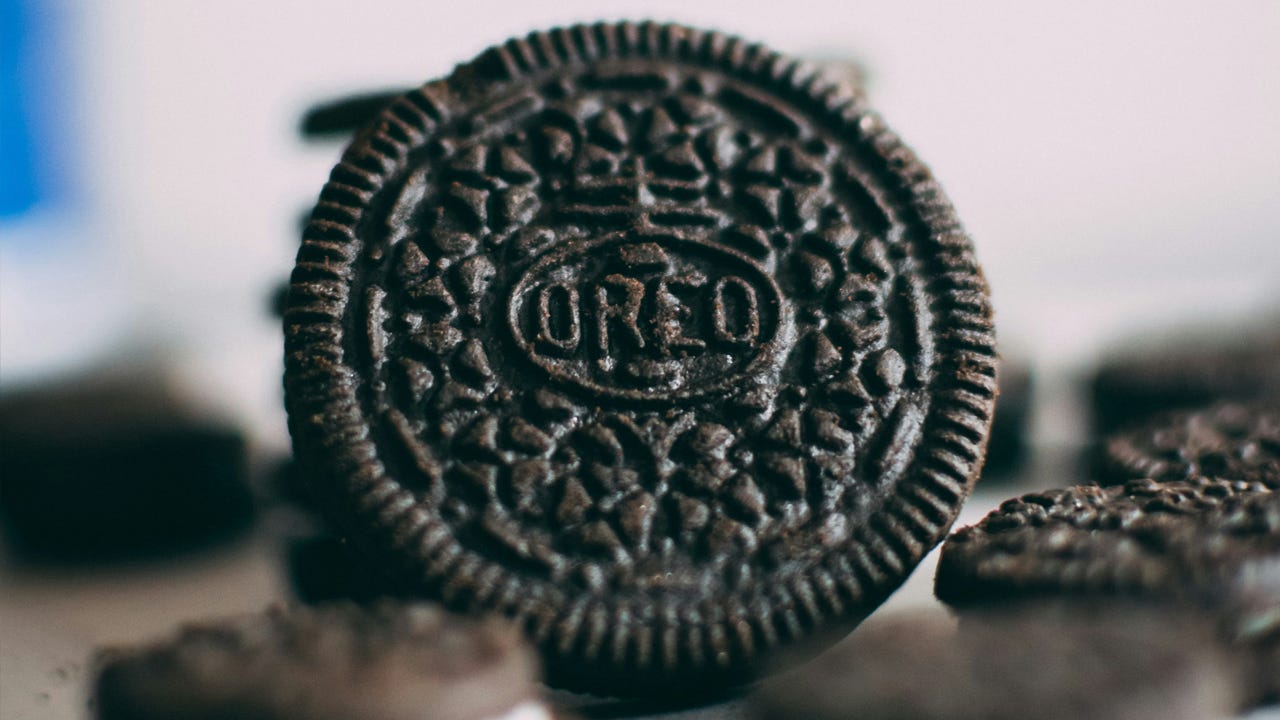
I became fully awareness of this was during my first year of college, after I attended the university’s Black student union meeting. On a crisp northern Arizona spring afternoon, I arrived hoping to connect with others pursuing their scholastic goals. I was met with a detached coolness that I assumed was due to my shyness. Later, I discovered through an acquaintance that I was ignored “because of the way you sound. They think you’re an Oreo.”
Oreo is “a derogatory label meant to slur blacks spurned by those within their own community for showcasing ‘white mentalities’ (Dominican Star, 2018).” For me, the word conjures up ostracization and ridicule.
Growing up as a sheltered kid who moved a lot in metropolitan Phoenix, I sounded like the other members of my immediate family. Like my mother and aunt — I was a voracious reader — most of the books that surrounded me quenched my thirst for Black history. My mother also encouraged learning through curiosity, often saying, “If you have an interest in something, you owe it to yourself to see if you’ll like it.” Outside of the home, I discovered that it took more than historical knowledge to be an acceptable representative of my ethnic community.
To the best of their ability, my mother and stepfather made sure our needs were me. My siblings and I were encouraged to believe we could progress beyond our economic circumstances in Arizona; to resist the limitations placed on us as Black people. But I never longed to be white.
In a 2015 YouTube video, American comedian and activist Franchesca Ramsey said, “My blackness does not magically go away because of the way that I talk.” But it does seem to foster mistrust in some if a Black person speaks or acts in a way not attributed to the Black American experience.
I no longer apologize for how I present. Still, there are moments when I struggle with the apathy I feel when someone seems challenged by it. This includes non-Black individuals who have not identified me as Black before meeting me.
At the aforementioned investment banking firm, I developed a rapport with a white colleague in another city. Just before traveling to the Los Angeles office for a training session, she said over the phone, “I’m looking forward to meeting you, Erick.”
The voice, which had always been warm over the phone, was icier when we met in person. Perplexed, I reminded her of a joke we shared just a few days before, hoping it would reignite the cordiality. She remained cool. The moment brought to mind a scene from E. R. Braithwaite’s 1959 novel, To Sir, with Love. The Black Guyanese protagonist received a similar reaction when he arrived for a job interview.
In a 2014 Larry King Live interview, American actor and producer Tracee Ellis Ross pondered the question of authentic blackness with guest host Janet Mock. “…is the question we’re asking really about are you Black or not. Or is it really about your culture and your identity and what’s important to you?”
I understand the importance of ensuring that Black Americans’ achievements are not forgotten. Throughout the country’s history, who we are and how we positively impact it are always under the threat of being erased. But when it comes to cultural authenticity, maybe we should broaden how that is represented. There are fifty states. Not all of us can be expected to look and sound the same.
Today, who I am as a Black man rests less on the approval of others and more on my acceptance of myself. I seek to promote who are and to celebrate our achievements.
“We are not a monolith” is commonly said to those outside of our communities. Maybe it’s more important for us to say this to each other.